 Skip to content
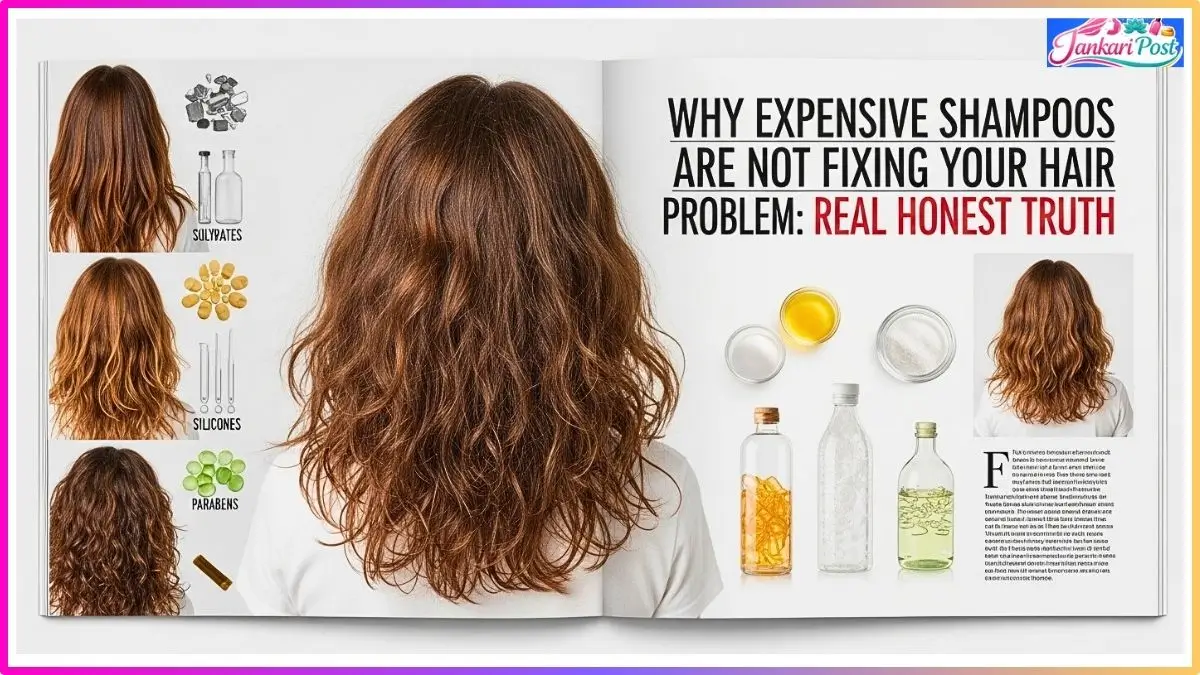
If you’ve ever spent hundreds—or even thousands—on premium shampoos and still struggled with hair fall, dryness, or oily roots, you’re not alone. Many people believe that expensive products automatically mean better results, but the reality is often very different.
After personally testing multiple high-end shampoos and comparing them with budget options, I discovered that price has very little to do with actual hair health. The real difference lies in ingredients, habits, and how you care for your scalp daily.
Also Read

In this guide, I’ll break down the truth behind expensive shampoos, what actually works, and the simple changes that made a visible difference in my hair within weeks.
Why Hair Problems Never Fix?
The core issue with relying on costly shampoos to solve hair damage goes deeper than most people realize. Shampoo, by its very design, stays on your hair for barely 60 to 90 seconds during a wash. In that tiny window, no ingredient can penetrate deep enough, actually, to repair structural damage inside the hair shaft.
What shampoo genuinely does is clean your scalp and remove surface dirt. That is its primary function. The expensive shampoo lie starts when brands promise repair, growth stimulation, and damage reversal from a product that rinses off your head almost immediately after application. My experience confirmed this repeatedly across multiple premium brands throughout 2026.
What Expensive Shampoo Contains?
I started reading ingredient labels carefully after my formulator friend explained what each component actually does. Most premium shampoos share these common ingredients regardless of their price tag.
| Ingredient | Premium Shampoo | Budget Shampoo | Actual Purpose |
|---|---|---|---|
| Purified Water | Yes (60–70%) | Yes (60–70%) | Base liquid |
| Sodium Lauryl Sulphate | Yes | Yes | Cleansing and foaming agent |
| Cocamidopropyl Betaine | Yes | Yes | Mild secondary cleanser |
| Dimethicone | Yes | Sometimes | Adds smooth, coated feel |
| Synthetic Fragrance | High | Moderate | Adds scent only |
| Parabens | Sometimes | Common | Preserves shelf life |
| Added Proteins | Minimal | Rare | Mostly for marketing appeal |
The real difference in chemical load between a ₹200 shampoo and a ₹1,800 shampoo often comes down to fragrance quality, packaging design, and the percentage of one or two featured ingredients. The cleaning base remains nearly identical across price points. I verified this by comparing the labels of six different brands sitting in my own bathroom.
Why does it strip natural oil away?

Every time you lather up with a sulphate-based shampoo, the detergent molecules bond with the natural oils coating your hair and scalp, then wash them away completely during rinsing. Your scalp produces these oils specifically to protect your hair from dryness, environmental damage, and brittleness.
The sulphate problem creates a damaging cycle. Strip the oil, scalp overproduces oil to compensate, hair feels greasy faster, you wash again sooner, and strip even more oil. I noticed this exact pattern when I tracked my wash frequency. With sulphate shampoo, I needed to wash every two days. After switching to a sulphate-free option, my hair stayed fresh for three to four days easily.
How is perfume in shampoo?
That luxurious floral or fruity scent in your ₹1,500 shampoo comes from synthetic fragrance compounds that serve zero hair care purpose. These chemicals exist solely to create a pleasant sensory experience during your shower so you associate the product with premium quality.
My scalp developed mild irritation and persistent itchiness during the months I used heavily fragranced premium shampoos. When I switched to a fragrance-free wash for two weeks, the itching disappeared completely.
The perfume in shampoo harms scalp tissue because these synthetic compounds can disrupt the natural microbiome living on your scalp surface that keeps it healthy.
Did Too Much Protein Break Hair?
Several expensive shampoos in the 2026 market themselves as protein-enriched or keratin-infused formulas. The idea sounds logical because hair contains keratin protein.
But applying excessive external protein onto already protein-sufficient hair creates a condition called protein overload that makes strands stiff, brittle, and prone to snapping.
My hair broke more during the month I used a keratin-loaded shampoo priced at ₹1,900 than during any other period. A dermatologist I consulted later explained that my hair actually needed moisture, not more protein.
The shampoo delivered the opposite of what my hair required, and the fancy packaging never mentioned this distinction anywhere on the bottle.
How Brands Fool Buyers Daily?

The shampoo industry spends enormous budgets on advertising that connects emotional desires with product promises. Slow-motion hair flipping, celebrity endorsements, scientific-sounding terminology, and before-and-after visuals create an illusion that a specific bottle will transform your hair completely.
One marketing trick used consistently across brands involves the term clinically tested. This phrase means someone in a lab tested the product on a group of people. It does not mean the product delivered the promised results for everyone or even for a majority. I fell for this claim multiple times and kept buying bottles that failed to deliver anything beyond basic cleaning.
Shampoo Never Fixes Real Problems
Here is what took me months to truly understand. Most persistent hair problems originate from internal causes that no shampoo can ever address from the outside. Nutritional deficiency, hormonal imbalance, stress, poor sleep quality, dehydration, and scalp health issues drive the majority of hair fall, thinning, and damage problems.
The root cause of the ignored reality is simple. Pouring an external liquid on your hair for 90 seconds cannot fix a problem that starts inside your body or beneath the surface of your scalp. My hair fall reduced by nearly 40 percent after I improved my iron and vitamin D intake through dietary changes, without switching my shampoo at all.
Real Truth Finally Exposed
The global shampoo market generates billions in revenue annually, and the Indian market alone crossed significant milestones in recent years. Companies invest far more in packaging redesign, influencer partnerships, and shelf placement than in actual formulation innovation.
My three months of personal research revealed one consistent shampoo industry fact across dermatology journals and cosmetic chemistry sources. The fundamental shampoo formulation has not changed dramatically in decades.
What changes every season is the marketing narrative, the trending ingredient highlighted on the front label, and the price tag attached to essentially similar products.
What Scalp Actually Needs Instead?

Your scalp functions as living skin tissue with its own oil production, pH balance, and microbial ecosystem. It needs gentle cleansing that removes dirt without destroying its natural protective layer. It needs adequate blood circulation through regular massage. It needs proper hydration from water intake throughout the day.
The scalp needs real essentials, including balanced nutrition delivering iron, zinc, biotin, and omega-3 fatty acids to your hair follicles through your bloodstream.
No shampoo bottle delivers nutrients to follicles because shampoo never reaches that deep. I started giving my scalp a five-minute warm oil massage before every wash, and the improvement in hair texture surprised me within the first month.
Did the Low-Cost Option Work Better?
I ran a personal experiment that genuinely changed my perspective on hair care spending. For four full weeks, I replaced my ₹1,800 premium shampoo with a basic sulphate-free option costing ₹180 from a local pharmacy. Same washing routine, same frequency, same towel-drying method.
The cheap shampoo test result was genuinely eye-opening. My hair looked and felt almost identical after the full month. No extra dryness, no increase in hair fall, no loss of shine or manageability. The ₹1,620 difference per bottle went straight into savings without any visible compromise in my hair condition. Over a year, that saves approximately ₹9,700 on shampoo purchases alone.
How Ingredients Beat Branded Wash?
After the budget shampoo experiment, I tested washing my hair with natural alternatives twice per week. I used a paste of soaked shikakai powder mixed with fresh aloe vera gel as my primary natural wash on those days and kept the mild shampoo for the remaining washes.

The shikakai cleaned my scalp gently without stripping natural oils. Aloe vera added moisture and soothed any minor scalp irritation. My hair developed a softer, more natural texture during the weeks I incorporated this routine. The total ingredient cost stayed under ₹40 per wash compared to ₹60 to ₹75 per use from the premium shampoo I previously relied on.
What I Actually Changed That Fixed My Hair?
After all this testing and research, here is the complete list of changes that genuinely improved my hair condition when expensive shampoos consistently failed.
- Switched to a mild sulphate-free shampoo costing under ₹200 and saw zero difference in cleanliness
- Added weekly warm oil scalp massage using plain coconut oil for 15 minutes before washing
- Increased daily water intake from four glasses to eight glasses minimum
- Started eating one serving of green leafy vegetables and one egg daily for iron and protein
- Stopped washing hair more than three times per week to preserve natural scalp oils
- Replaced commercial conditioner with fresh curd rinse once per week for natural softness
- Began sleeping on a satin pillowcase to reduce friction damage overnight
These seven adjustments together delivered more visible improvement in my hair within six weeks than two full years of rotating through premium shampoo brands ever managed.
Frequently Asked Questions
Are all expensive shampoos completely useless for hair?
Not completely useless for cleaning, but their repair and damage-reversal claims rarely deliver measurable results. Basic cleansing works equally well with affordable sulphate-free options costing a fraction of premium prices.
Which shampoo ingredient should I avoid most in 2026?
Sodium lauryl sulphate tops the avoidance list because it aggressively strips natural scalp oils and triggers overproduction cycles. Check ingredient labels before purchasing and choose sulphate-free formulas whenever available at your store.
Can changing diet alone really improve hair health?
Dietary changes targeting iron, biotin, zinc, and protein deficiencies show visible hair improvement within four to eight weeks for most people. Internal nourishment reaches follicles directly through the bloodstream, which no external shampoo can replicate.
How often should I actually wash my hair per week?
Two to three washes per week works best for most Indian hair types and climate conditions. Overwashing strips protective oils faster than your scalp can replenish them, leading to dryness and increased breakage.
Is shikakai powder safe to use as a regular hair wash?
Shikakai has centuries of traditional use across India as a gentle hair cleanser. It maintains scalp pH naturally and cleans without harsh chemicals. Mix with water or aloe gel to create a smooth paste for easy application.
My Final Word
I wrote this post because I genuinely wish someone had told me these things before I wasted ₹5,000 chasing premium shampoo promises that never came true.
The real truth is straightforward. Shampoo cleans your hair. That is its job. Repair, growth, and transformation happen through nutrition, scalp care, gentle handling, and consistency in healthy habits.
The fanciest bottle on the store shelf cannot fix what a ₹10 egg and a glass of water can address more effectively from the inside. In 2026, stop paying for marketing stories and start investing in what your hair genuinely needs.
Your scalp will thank you, your hair will show the difference, and your wallet will feel significantly lighter in the best possible way.
Disclaimer
This content is for informational and educational purposes only. Results may vary depending on individual hair type, health conditions, and lifestyle factors. Always consult a qualified dermatologist or healthcare professional before making significant changes to your hair care routine or diet.

Dr. Jushya Bhatia Sarin is a qualified dermatologist with M.B.B.S., M.D. (Dermatology, Venereology & Leprosy), and MRCP (SCE), UK. She is the founder member of Sarin Skin Clinic in Defence Colony, New Delhi, specializing in skin, hair, and nail health. Her work focuses on providing personalized skincare solutions and making reliable skin care knowledge accessible to everyone.
